
Facebook Marketplace
How to Price Items on Facebook Marketplace
November 16, 2026 · 6 min read
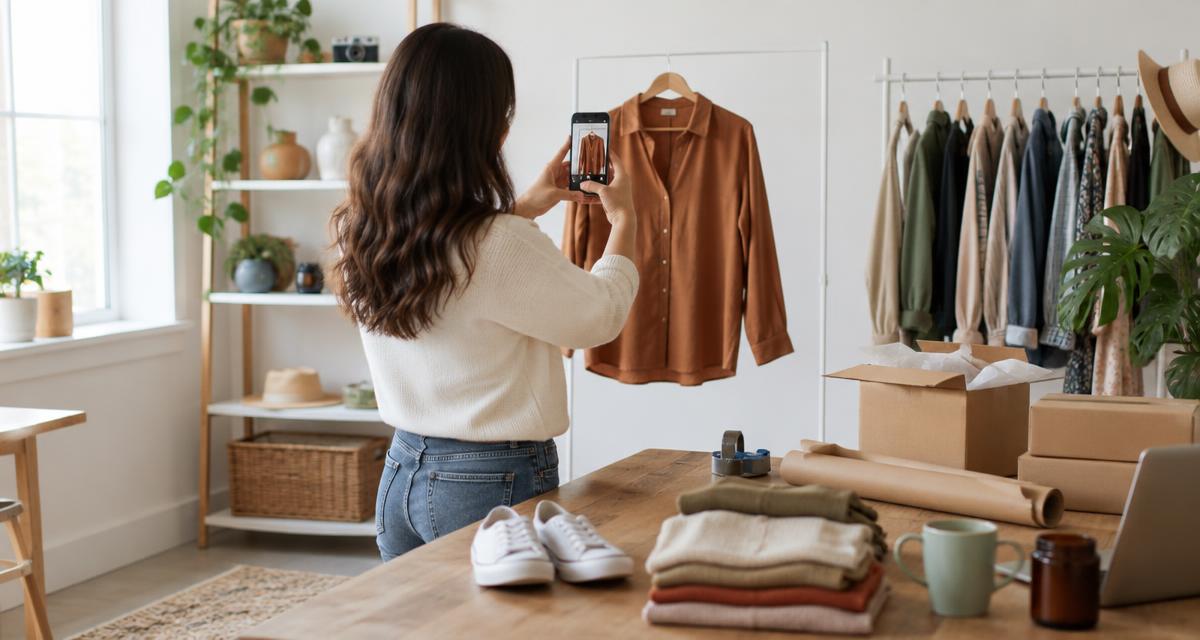
If you are wondering how to price items on Facebook Marketplace, start with what similar items have actually sold for, then adjust for condition and demand in your area. Set an asking price that leaves a little room for offers without putting it far above what buyers can find elsewhere. The right price is not necessarily what you paid or what the item would cost new. It is what a nearby buyer is likely to pay for yours now.
Find a realistic price range first
Search for your item using the brand, model, size, and other details a buyer would use. A search for “dresser” will mix basic flat-pack furniture with solid wood pieces. “IKEA MALM 6-drawer dresser” will give you a more useful comparison.
Start on Facebook Marketplace and look at listings close enough for local pickup. Note the prices of five to ten comparable items if you can find them. Pay attention to how closely they match yours:
- Is it the same brand and model, or just a similar style?
- Is it the same size, material, or storage capacity?
- Does it include accessories, hardware, or original packaging?
- Are there visible stains, chips, scratches, or missing parts?
- Is pickup convenient, or will the buyer need help moving it?
Facebook asking prices tell you what sellers hope to get, not necessarily what buyers have paid. A listing that has sat for weeks at $150 is not proof that your similar item is worth $150. If a sold-item view is available for your search, use it as an additional clue, but do not assume every sold listing shows the final agreed price. Search features and displayed details can change.
For another reference point, check eBay completed or sold listings for the same item. Compare the item price and shipping together when looking at shippable goods. An eBay sale is useful evidence that buyers want an item, but a shipped sale may not translate directly to a local pickup price. For bulky furniture or ordinary household goods, nearby listings are often more relevant.
Write down a range rather than chasing one perfect number. For example, if several close local matches are listed around $70 to $110 and a couple of better-condition examples are higher, your starting range might be $70 to $110. You still need to decide where your item belongs within it.
Adjust for the condition buyers can see
Be honest about condition before choosing a price. A buyer will judge from the photos and description, then check again at pickup. Pricing a worn item like a nearly new one invites low offers or an awkward conversation at the door.
Use these questions to place your item within your research range:
- Does it work as expected? Test electronics and moving parts if you can.
- Are all pieces included? Count shelves, cords, remote controls, screws, and attachments.
- How noticeable is the wear? Photograph the worst mark as well as the overall item.
- Is it clean and ready to use, or does the buyer need to do work?
- Can you confirm the brand and model from a label or receipt?
Small differences can matter. A working lamp with a clean shade and no damage may compete with the best comparable listings. The same lamp with a cracked shade belongs lower, even if the base works perfectly. Missing accessories can also limit what buyers will pay because replacing them takes time and money.
Do not rely on phrases such as “like new” to support a higher price if your photos show wear. State the facts instead: “Works well; small scratch on back shown in photo.” Clear disclosure helps buyers decide whether your price makes sense and reduces last-minute renegotiation.
Account for demand where you live
Facebook Marketplace is local for many transactions, so your location and timing affect your price. A large desk might attract plenty of buyers near a college campus but fewer in an area where most buyers have limited space. A window air conditioner may get more attention when the weather is hot than when it is cold.
Look at both supply and buyer interest. If your search shows dozens of nearly identical items nearby, buyers have choices. A competitive price, good photos, or easier pickup can help yours stand out. If close matches are scarce, you can start toward the higher end of your range, but scarcity alone does not guarantee a sale.
Also consider how easy the item is to collect. A couch that requires two people and a truck has a smaller pool of buyers than a chair that fits in a car. Measure large items in inches and include the dimensions. If you can offer a flexible pickup window, say so. Do not promise delivery unless you actually want to provide it, and agree on any delivery charge and payment terms before making the trip.
Your timeline matters, too. If you need a room cleared by the weekend, price nearer the lower end of the comparable range. If you can wait for a buyer seeking your exact model, try a higher but still defensible price and review the response after a few days.
Leave sensible room for negotiation
Many buyers will ask whether you can take less. Decide on two numbers before you post: your asking price and the lowest price you would happily accept. The difference is your negotiating room.
Suppose comparable local dressers suggest your clean, fully functional dresser could reasonably sell for about $80 to $100. You want at least $85. Listing it at $100 leaves room for an offer without requiring a buyer to make a huge jump from your asking price. Listing it at $150 just to “see what happens” may cause buyers shopping in the $80 to $100 range to skip it.
A simple way to choose your number is:
- Find the range for close local matches.
- Place yours low, middle, or high in that range based on condition and pickup convenience.
- Pick your minimum acceptable price.
- Set an asking price modestly above that minimum, if the comparable range supports it.
You do not have to negotiate. If your item is already priced at your minimum, you can say, “Thanks for asking. I’m firm at $85 for now.” If you have room, a specific counteroffer is easier to act on: “I can do $90 if you can pick it up Saturday.” Keep agreements in the message thread so the price and pickup plan are clear to both of you.
Use the response to your listing as feedback
After posting, watch what happens. A lot of views or saves without serious messages may mean buyers like the item but hesitate at the price, condition, or pickup details. Repeated questions about dimensions or whether it works suggest your listing needs more information. Few views may mean the title, category, photos, or local demand needs attention, not just the price.
Before lowering the number, check your listing against nearby alternatives again. Lead with a bright, clear photo of the whole item. Add pictures of labels, included parts, and flaws. Put the brand, model, and size in the title when known. In the description, state the condition, measurements, what is included, and your general pickup area without sharing more personal information than necessary.
If your listing is clear and comparable items are priced lower, make a meaningful adjustment rather than repeated tiny cuts. Your goal is to put the item back into the range buyers are considering. If you receive several serious messages quickly, you may already be priced competitively. Choose a buyer and pickup arrangement you are comfortable with rather than assuming you must accept the first low offer.
Quick checklist
- Search for close local matches using the brand, model, and size.
- Treat asking prices as clues; check sold prices where available.
- Adjust for wear, missing parts, cleanliness, and ease of pickup.
- Decide your minimum before adding negotiating room.
- Include clear photos, measurements, flaws, and pickup details.
- Recheck the market and improve the listing if buyers do not respond.
A price works best when a buyer can see why you chose it. Research a few close matches, describe your item accurately, and set a number that fits both the local market and your timeline.
Found this useful? Share it with another seller.