
Facebook Marketplace
What Sells Best on Facebook Marketplace? A Practical Sourcing Guide
November 20, 2026 · 6 min read
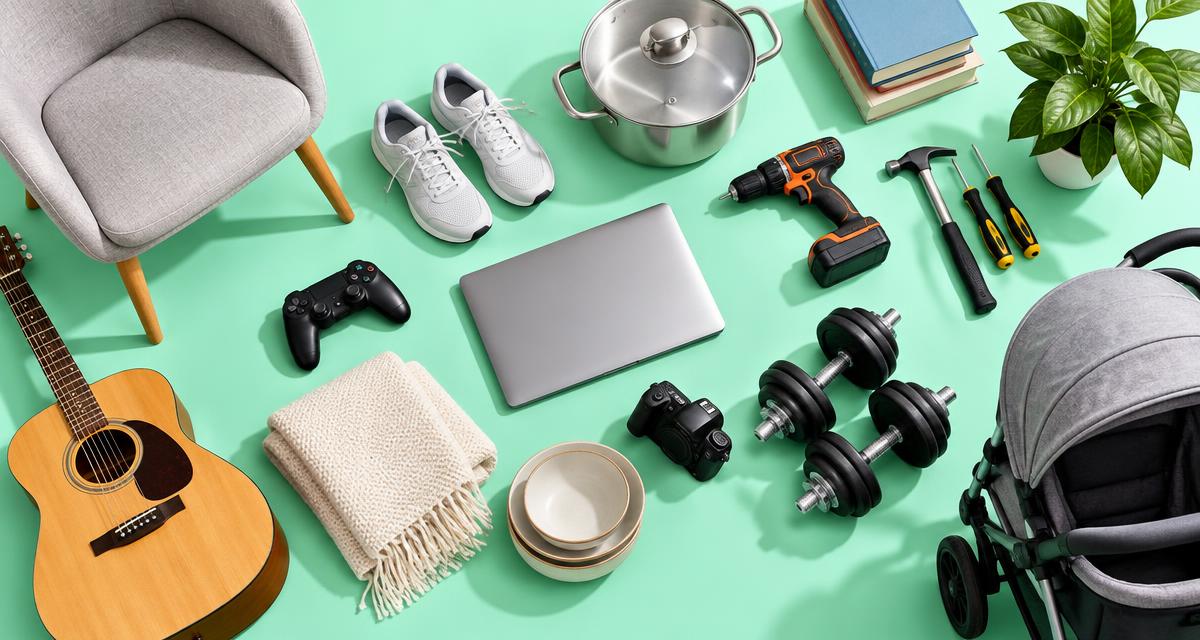
If you’re wondering what sells best on Facebook Marketplace, start with useful items that people want nearby: furniture, home goods, tools, kids’ gear, and seasonal equipment. The best inventory for you depends on local demand, condition, pickup logistics, and what you can buy cheaply enough to resell. Instead of chasing a universal bestseller list, use the categories below to find candidates, then check your own market before spending money.
Categories worth checking first
Facebook Marketplace is especially useful for local sales of items that are bulky, awkward to ship, or needed quickly. These categories are good places to look, but none is a guaranteed sale.
Furniture and storage
Dressers, bookcases, desks, dining sets, side tables, and shelving often appeal to buyers furnishing a room on a budget. Small pieces can be easier to store and transport than sofas or large cabinets. Clean, sturdy furniture with useful dimensions is usually a better sourcing bet than a project requiring extensive repairs.
Measure every piece before listing it. A buyer deciding whether a dresser fits their car or an apartment alcove needs the width, depth, and height. Check drawers, hinges, odors, stains, and structural stability. If a piece is heavy, decide in advance whether you can help load it.
Home goods and small appliances
Lamps, mirrors, rugs, storage bins, kitchen equipment, and working small appliances can attract buyers who want to avoid retail prices. Prioritize items you can clean and demonstrate. For an appliance, test its functions rather than assuming that a power light means it works. For a lamp, check the cord, switch, and socket.
Some categories come with extra risk. Check for recalls before sourcing electrical products or children’s items, and do not list anything prohibited by Marketplace rules. Rules can change, so consult Facebook’s current Commerce Policies when in doubt.
Tools, yard equipment, and hobby gear
Hand tools, power tools, lawn equipment, bicycles, and hobby supplies can be worth checking if you know how to evaluate them. Look for recognizable models, included batteries or chargers, and parts that are expensive to replace. Test moving parts and disclose defects clearly.
Be cautious with equipment you cannot safely test. An inexpensive mower that needs an unknown repair may cost more time and money than it can earn. Research the exact model, not just the brand.
Kids’ items and seasonal products
Children’s clothing bundles, toys, and outgrown sports gear can appeal to local families. Seasonal demand also matters: patio furniture and gardening supplies may draw more interest when people are preparing outdoor spaces, while snow gear may have a narrower buying window.
Take special care with safety-sensitive products. Check recalls and current marketplace rules before listing children’s gear. Avoid sourcing an item if you cannot confirm its condition or whether all required parts are present.
What makes an item a good local resale buy?
A popular category alone is not enough. Two identical-looking desks can have very different resale potential if one is easy to move and the other is damaged and up three flights of stairs.
Before you buy, ask:
- Can I identify it? A brand, model number, material, or clear dimensions help buyers compare your item with alternatives.
- Can I verify its condition? Test functions, inspect hidden surfaces, and look for missing parts, odors, pests, or unsafe damage.
- Can I move and store it? Account for stairs, vehicle space, lifting help, and the time it may occupy your home or garage.
- Can I photograph it well? Good lighting and a tidy setting make condition easier to judge.
- Is there room for profit? Include cleaning supplies, replacement parts, fuel, and your time, not just the purchase price.
A free sofa might be a poor flip if it needs a truck, deep cleaning, and weeks of storage. A modestly priced side table you can carry, clean in an hour, and photograph clearly may be a better choice. Start with items you can evaluate confidently.
Check demand in your area before sourcing
Marketplace results reflect your location, search terms, and available listings. Treat asking prices as clues, not proof of what buyers will pay. A listing that has remained available at $150 does not establish a $150 resale value.
Try this quick research routine:
- Set a realistic local search radius and search for the exact item type, brand, or model.
- Compare items in similar condition and size. A solid wood dresser is not directly comparable to a damaged flat-pack dresser.
- Note the asking-price range and how many competing listings appear.
- Recheck promising searches over several days. Notice whether listings disappear, are reduced, or keep resurfacing. A disappearance is not proof of a sale, but it gives you a reason to investigate further.
- Choose a conservative target selling price, then calculate what you can afford to pay.
Use several search phrases. Buyers and sellers may call the same item a “nightstand,” “bedside table,” or “end table.” Search broad terms to see the competition, then exact model names when you have them.
If you already have an item listed, track your own results. Record its asking price, messages, offers, and days listed. Your actual sales are more useful for future sourcing decisions than another seller’s optimistic asking price. For a deeper look at setting an asking price, see How to Price Items on Facebook Marketplace.
Where to find inventory without overbuying
Start close to home. Items you already own let you practice cleaning, photographing, pricing, and meeting buyers without risking money on inventory. Then consider yard sales, estate sales, thrift stores, neighborhood sales, and legal curbside finds where permitted. Ask permission before taking anything from private property or a donation area.
Bring a tape measure, a charged phone, and any small supplies needed to test a potential purchase safely. Set a maximum buy price before you negotiate. For example, if comparable desks are listed around $80, do not assume you can pay $60 and make a worthwhile profit. Leave room for a lower final sale price and the costs of pickup, cleaning, and storage.
Keep a simple sourcing note for each purchase:
- Item and exact model, if available
- Purchase price and date
- Measurements and known flaws
- Estimated cleaning or repair cost
- Conservative target selling price
- Time and cost of transport
This makes it easier to spot which categories actually work for you. If bicycles sell promptly but large furniture ties up your storage space, adjust what you buy, even if furniture seems popular in search results.
Make good inventory easier to sell
Sourcing and listing quality work together. Before posting, clean the item, photograph all sides, show flaws, and include measurements. Put the most searchable facts near the start of the title: item type, brand or model, and a useful detail such as size or material. Avoid calling an untested item “works great.”
In the description, say what is included, what you tested, any defects, and whether the buyer needs to bring help for loading. Clear pickup expectations can save both sides time. If drafting descriptions slows you down, the free Facebook Marketplace Description Generator can help you organize the details. Review the result for accuracy before pasting it into your listing.
For local transactions, follow the platform’s current guidance, protect your personal information, and choose a meeting arrangement that feels safe. Be especially cautious with requests to move a conversation off-platform, provide verification codes, or accept unusual payment arrangements.
Quick checklist
Before bringing home an item to flip, confirm that you can:
- Find comparable local listings and choose a conservative target price.
- Inspect or test the item and check for missing parts or recalls.
- Transport, store, clean, and photograph it without excessive cost.
- Describe its condition and measurements accurately.
- Leave enough room between your total costs and likely sale price to make the work worthwhile.
The best Marketplace inventory is not simply what gets lots of searches. It is what local buyers want, you can verify, and you can sell at a worthwhile margin.
Found this useful? Share it with another seller.